
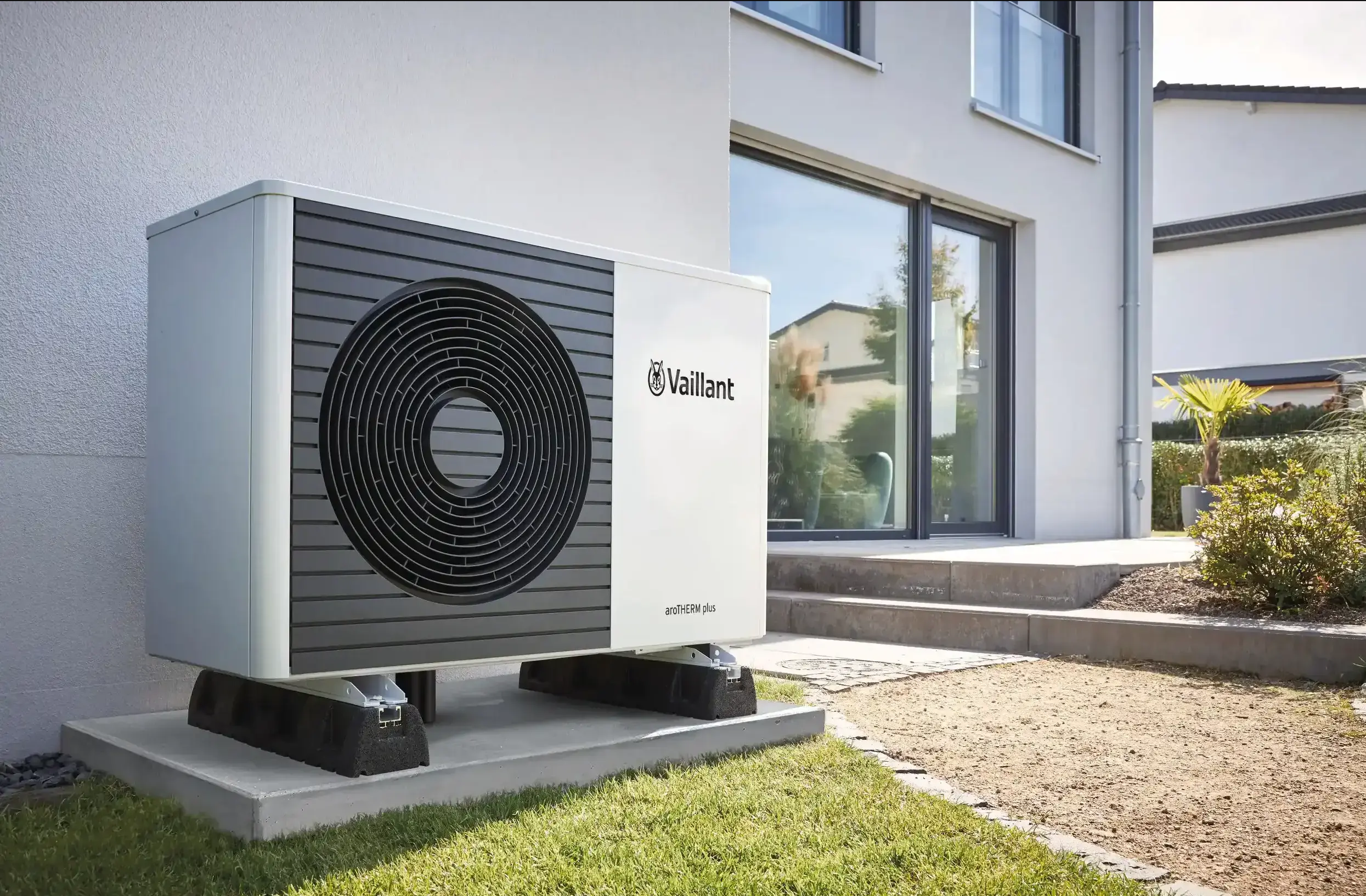
Air Source Heat Pumps
The Future of Sustainable Heating
In today's world, where environmental consciousness is paramount, finding efficient and sustainable ways to heat our homes is crucial. One such solution gaining popularity is the air source heat pump. This innovative technology not only provides a renewable source of heat but also has the potential to save you money on your energy bills in the long run.
In this comprehensive guide, we will explore the advantages, installation process, costs, and savings associated with air source heat pumps. So, let's dive in and discover how these pumps can ignite sustainable energy in your home.

How do Air Source Heat Pumps work?
Air source heat pumps work by extracting heat from the outside air and transferring it to your home. They function similarly to refrigerators but in reverse.
The process begins by absorbing heat from the outside air into a liquid refrigerant at a low temperature. The refrigerant is then compressed, raising its temperature, before it condenses back into a liquid, releasing stored heat.
This heat is then sent to your radiators or underfloor heating system, providing warmth to your home.
Additionally, the excess heat can be stored in a hot water cylinder, ensuring a constant supply of hot water for everyday use.
Advantages of Air Source Heat Pumps
-
Air source heat pumps are highly efficient, generating more energy than they consume. With a coefficient of performance (COP) of 3.0, for every 1kW of energy taken, 3kW of energy is put into your heating system. This efficiency can lead to significant cost savings on your heating bills, especially if you're replacing an expensive system such as electric storage heaters, oil, LPG, or coal.
Air source heat pumps offer numerous advantages that make them an attractive heating solution for homeowners. Let's take a closer look at some of the key benefits:
-
Installing an air source heat pump is less disruptive than other heating systems, particularly ground source heat pumps. They require no digging in your garden and can be positioned outdoors, saving valuable indoor space. Moreover, air source heat pumps require minimal maintenance, ensuring hassle-free operation and longevity.
-
Compared to conventional heating systems, air source heat pumps generate fewer CO2 emissions. By harnessing renewable heat from the air, they contribute to a lower carbon footprint, especially when coupled with a renewable electricity source such as solar panels or wind turbines.
-
Air source heat pumps can provide both heating and hot water for your home, making them a versatile solution. They can work even in low temperatures, ensuring a comfortable living environment throughout the year. Additionally, they can be integrated with various heating systems, including larger radiators and underfloor heating, to optimize heat distribution and enhance comfort levels.
Disadvantages of Air Source Heat Pumps
-
Air source heat pumps require sufficient space in your garden for the external condenser unit. It's essential to ensure that you have adequate outdoor space available before considering the installation of an air source heat pump.
While air source heat pumps offer significant advantages, it's important to consider their limitations as well. Here are some potential drawbacks to keep in mind:
-
Air source heat pumps rely on electricity to drive the pump, which means they are not completely zero-carbon unless powered by renewable energy sources. It's important to consider the source of your electricity to accurately assess the overall carbon emissions associated with your heat pump system.
-
Condenser units of air source heat pumps can be noisy, and they blow colder air into the immediate surrounding area. This factor should be taken into account when deciding on the placement of the unit, especially if noise or air discharge may cause discomfort in your living environment.
-
Installing an air source heat pump requires careful planning and design to ensure optimal performance and energy efficiency. Heat loss calculations, the design of your heating system, and the selection of suitable radiators or underfloor heating are crucial. It's essential to work with an installer who is MCS certified, ensuring that the installation meets industry standards and regulations.
Is an Air Source Heat Pump right for you?
Air source heat pumps are suitable for many types of homes, but certain factors should be considered before making a decision. Here are a few key points to consider:

Home Insulation
To maximize the efficiency of an air source heat pump, a well-insulated home is essential. Proper insulation ensures that the heat generated by the pump is retained within your living space, resulting in optimal comfort and energy savings.

Heating System Compatibility
Before installing an air source heat pump, it's important to assess the compatibility of your existing heating system. You may need to upgrade your radiators or consider installing underfloor heating to ensure compatibility with the lower water temperatures required for efficient heat pump operation.

Space Availability
As mentioned earlier, air source heat pumps require outdoor space for the condenser unit. Assess the available space in your garden to ensure it meets the requirements for installation.

Noise Tolerance
Consider your tolerance for noise and air discharge from the condenser unit. If you have noise-sensitive areas or neighbors in close proximity, it's important to factor this into your decision-making process.
Installation and Costs
The installation process and costs associated with air source heat pumps can vary depending on several factors. These include the size of the heat pump, the size of your property, whether it's a new build or an existing property, and any necessary changes to your heating system distribution.
Typical costs for an air source heat pump installation range around £14,000. To get an accurate estimate for your specific requirements, it's recommended to consult with at least three MCS-certified installers who can provide detailed quotes.

Did you know you could be eligible for free energy efficient upgrades for your home?
Get an Air Source Heat Pump and other home improvements 100% fully funded through the ECO4 scheme.
Energy and Cost Savings
The potential energy and cost savings of an air source heat pump depend on various factors, including the system being replaced and how the heat pump is designed and operated. On average, a standard air source heat pump can generate 2.5 - 3 units of heat for each unit of electricity consumed, translating to an efficiency of 250% - 300%. The Seasonal Coefficient of Performance (SCOP) provides a realistic view of costs and efficiency, accounting for the varying weather conditions throughout the heating season.
To maximize your savings, it's important to use your heat pump system effectively. This may involve setting your heating to come on for longer periods at lower temperatures compared to traditional heating systems. Regular maintenance, including clearing any debris from the outdoor unit, is also essential to ensure optimal performance and efficiency.

Conclusion
Air source heat pumps provide a sustainable and efficient way to heat your home.
By harnessing the renewable heat from the air, these pumps not only reduce your carbon footprint but also offer potential cost savings on your energy bills. With their versatility, ease of installation, and compatibility with various heating systems, air source heat pumps are becoming the future of sustainable heating.
So why not ignite sustainable energy in your home today by considering the installation of an air source heat pump? Consult with reputable installers, explore your options, and take a step towards a greener and more energy-efficient future.
Want to find out more?
To find out more about this system and to discuss your options, please contact a member of our team today: